The name Attar means herbalist or druggist, which was his profession. (The profession can also carry implications of being an alchemist.) It is said that he saw as many as 500 patients a day in his shop, prescribing herbal remedies which he prepared himself, and he wrote his poetry while attending to his patients.
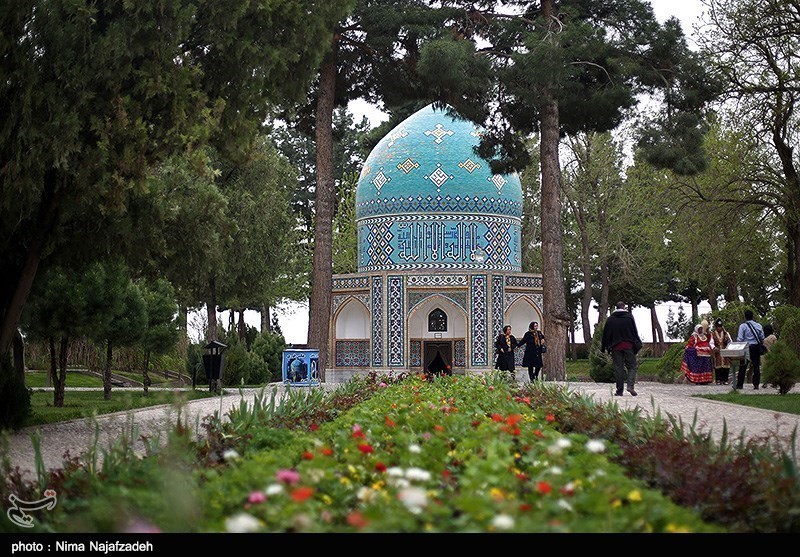
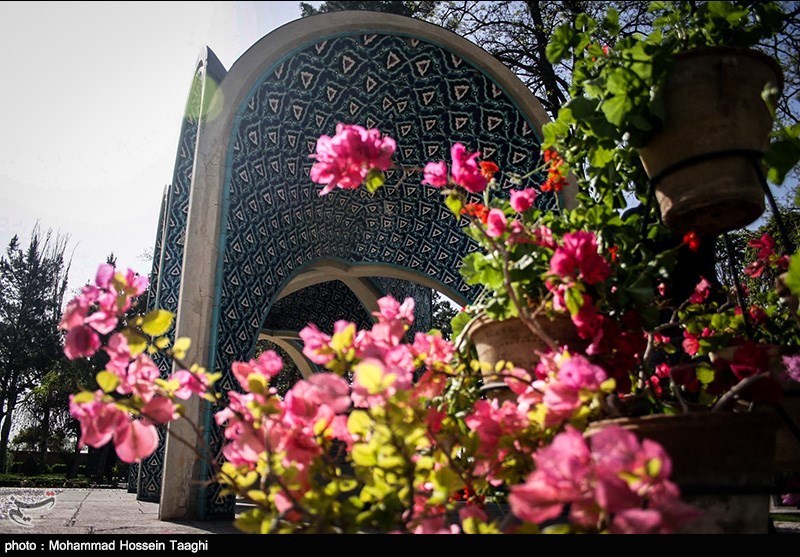
About thirty works by Attar survive, but his masterpiece is the mantiq at-Tayr (The Conference of the Birds). In this collection, he describes a group of birds (individual human souls) under the leadership of a hoopoe (spiritual master) who determine to search for the legendary Simurgh bird (God).
The birds must confront their own individual limitations and fears while journeying through seven valleys before they ultimately find the Simurgh and complete their quest. The 30 birds who ultimately complete the quest discover that they themselves are the Simurgh they sought, playing on a pun in Persian (si and murgh can be translated as 30 birds) while giving us an esoteric teaching on the presence of the Divine within us.
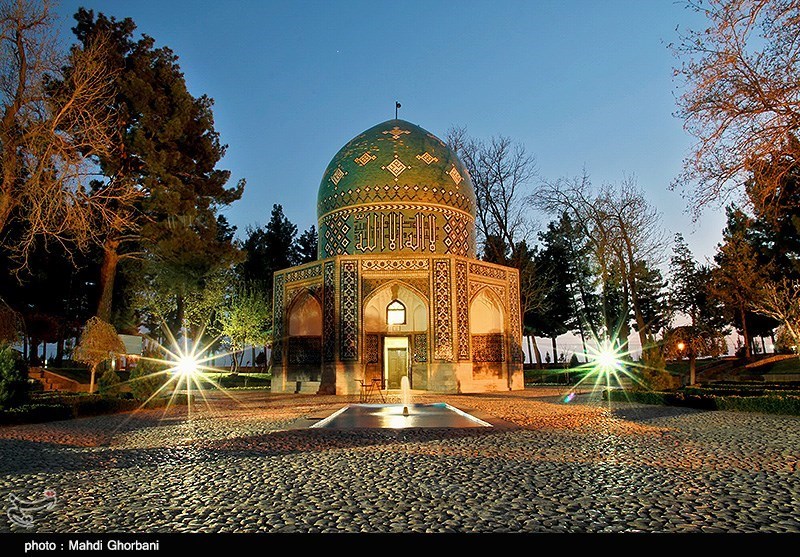
Attar's poetry inspired Rumi and many other Sufi poets. It is said that Rumi actually met Attar when Attar was an old man and Rumi was a boy, though some scholars dispute this possibility.
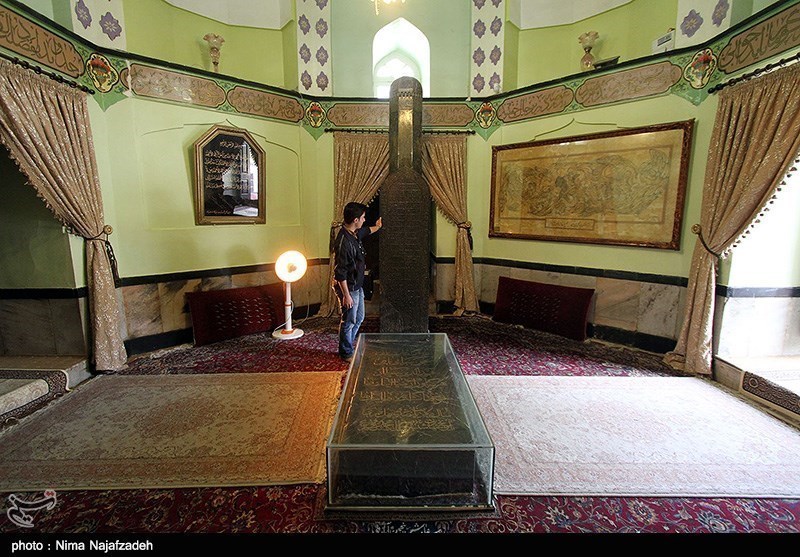
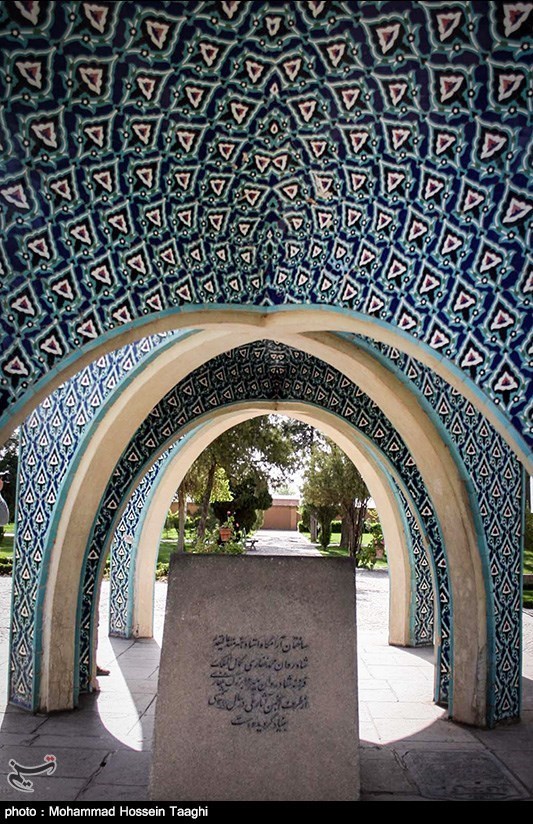
Source: Poetry-Chaikhana