Persepolis, Old Persian Parsa, or modern Takht-e Jamshid is an ancient capital of the kings of the Achaemenian dynasty of Iran (Persia), located about 50 km northeast of Shiraz in the Fars region of southwestern Iran. In 1979 the ruins were designated a UNESCO World Heritage site.
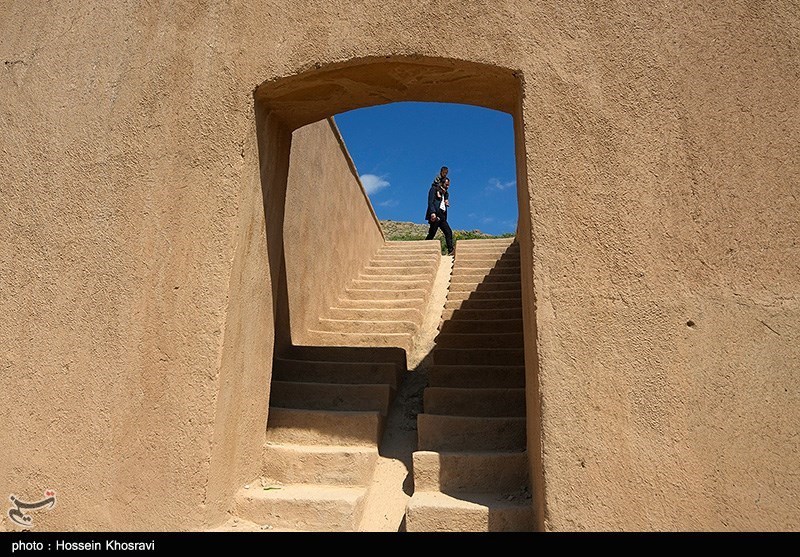
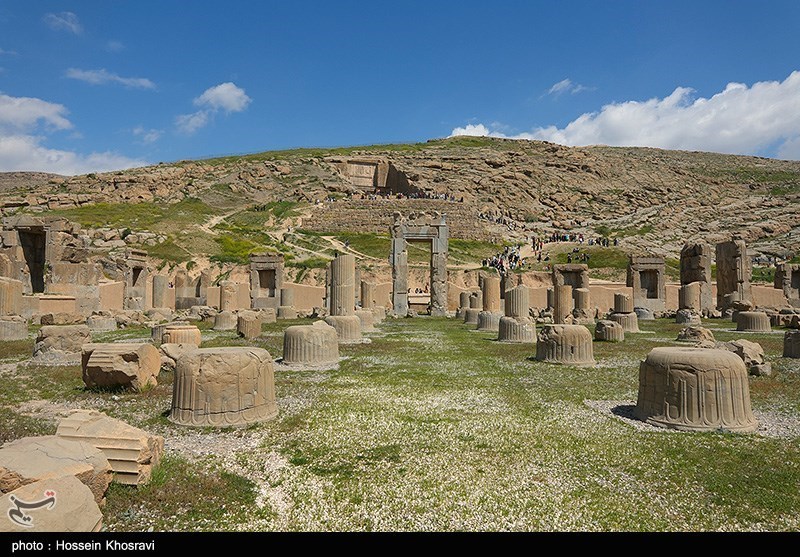
The site is marked by a large terrace with its east side abutting the Kuh-e Rahmat (“Mount of Mercy”). The other three sides are formed by a retaining wall, varying in height with the slope of the ground from 4 to 12 meters; on the west side a magnificent double stair in two flights of 111 short stone steps leads to the top. On the terrace are the ruins of a number of colossal buildings, all constructed of a dark gray stone (often polished to a marble-like surface) from the adjacent mountain. The stone was cut with the utmost precision into blocks of great size, which were laid without mortar; many of them are still in place. Especially striking are the huge columns, 13 of which still stand in the audience hall of Darius I (the Great; reigned 522–486 BCE), known as the Apadana, the name given to a similar hall built by Darius at Susa. There are two more columns still standing in the entrance hall of the Gate of Xerxes, and a third has been assembled there from its broken pieces.
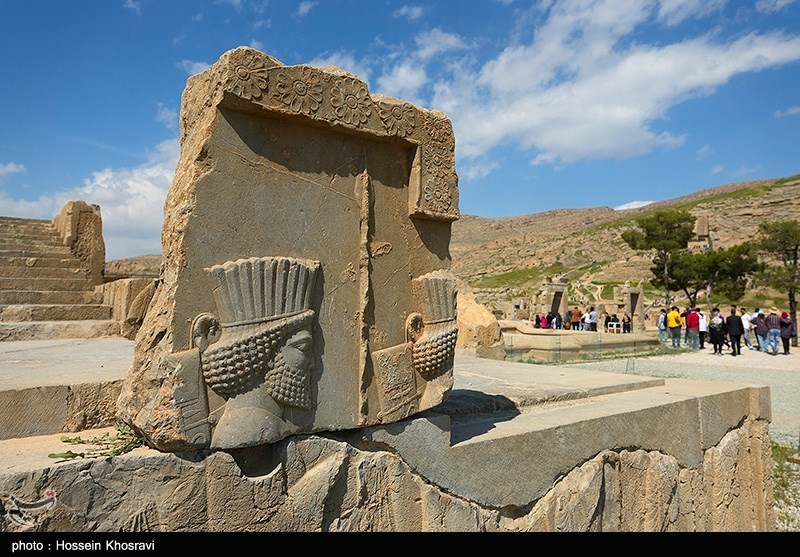


In 1933 two sets of gold and silver plates recording in the three forms of cuneiform—Ancient Persian, Elamite, and Babylonian—the boundaries of the Persian empire were discovered in the foundations of Darius’s hall of audience. A number of inscriptions, cut in stone, of Darius I, Xerxes I, and Artaxerxes III indicate to which monarch the various buildings were attributed.

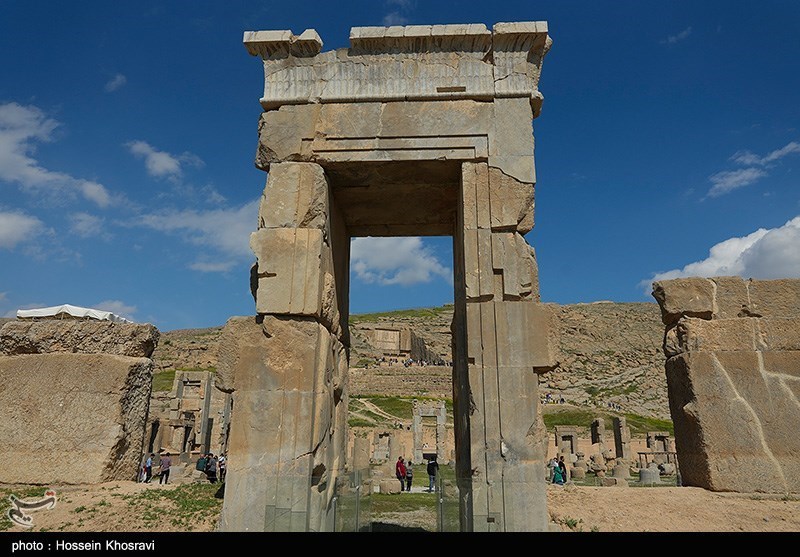

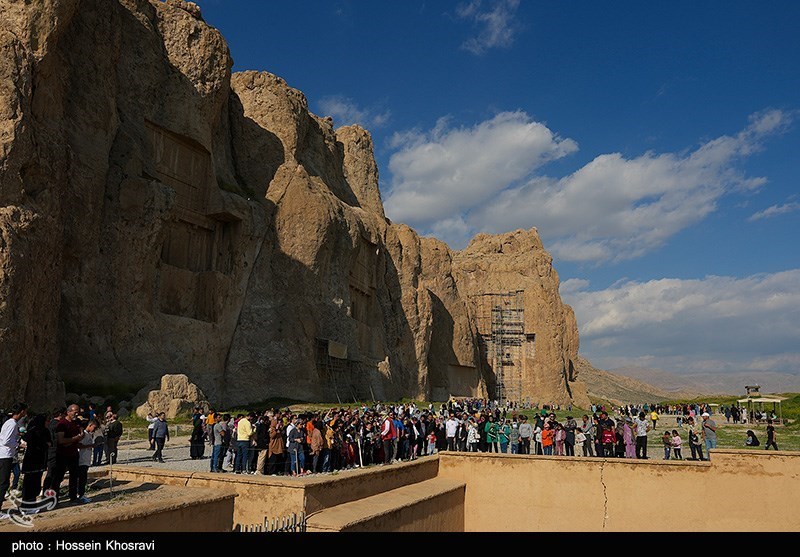

Though archaeologists have discovered evidence of prehistoric settlement, inscriptions indicate that construction of the city began under Darius I, who, as a member of a new branch of the royal house, made Persepolis the capital of Persia proper, replacing Pasargadae, the burial place of Cyrus II (the Great). Built in a remote and mountainous region, Persepolis was an inconvenient royal residence, visited mainly in the spring. The effective administration of the Achaemenian realms was carried on from the imperial cities of Susa, Babylon, and Ecbatana. This accounts for the Greeks being unacquainted with Persepolis until Alexander’s invasion of Asia. In 330 BCE, during the reign of Darius III, Alexander plundered the city and burned the palace of Xerxes, whose brutal campaign to invade Greece more than a century before had led, eventually, to Alexander’s conquest of the Persian empire. In 316 BCE Persepolis was still the capital of Persis as a province of the Macedonian empire. The city gradually declined under the Seleucid kingdom and after, its ruins attesting its ancient glory.
Source: Britannica